
Their primary purpose is still to provide a substance-free environment for people to live in, but the programs are more structured than Level 2 homes. They often include paid counselors and staff to sober home assist patients in developing and following through with their aftercare plans. Most of the actual treatment doesn’t happen on site, but certain life skills and support groups may be provided at the house. Group Homes are facilities that are used as supportive living environments for persons who are considered disabled under state or federal law.
The owner or landlord of a sober living home must submit a condition of use application and Sobriety obtain a permit before he or she can set up a sober living home. Making the transition from rehab to everyday life can feel both empowering and overwhelming. Many individuals in early recovery benefit from the structure that a sober living home offers. These homes provide community and accountability which are vital for maintaining progress.
Residential Treatment for Teens: A Lifeline for Struggling Youth
The Recovery Housing Operator and Affiliate Data System (RHOADS) is your pathway to quality. As a fresh addition to our services, we’re also offering comprehensive training to guide you through the application process. Together, we’re paving the way for a smoother and more accessible certification process. A special use permit allows a particular use of land for a defined period of time.
- You are rest assured to make good returns on your investment because there will always be need for your services.
- Residents are expected to follow certain rules such as abstaining from drugs or alcohol, attending meetings or therapy sessions, and participating in house activities.
- It’s important to document these issues with as much detail as possible, including dates, times, and descriptions of incidents.
Ready to Find Recovery Housing?
✓ No Hidden costs and insurance surprises We expose true out-of-pocket expenses before you commit. Others may limit or restrict cell phone and internet access because they can act as triggers that could lead to relapse. Discover 14 reasons why sobriety makes your life healthier, more satisfying and fun! Learn why living a sober life can take years off https://ecosoberhouse.com/ your appearance & boost self-esteem.

First Step Farm of WNC Inc – Womens Facility

Our services will be carried out by highly trained professionals who know what it takes to give our highly esteemed residents value for their money. Despite the fact that we are a sober living home facility, we are going to be a health conscious and customer-centric with a service culture that will be deeply rooted in the fabric of our organizational structure. With that, we know that we will be able to consistently achieve our set business goals, increase our profitability and reinforce our positive long-term relationships with our clientele and employees as well. Operators must often collaborate with municipal authorities to ensure adherence to zoning classifications and health and safety standards. Regular inspections may be required, and consulting legal professionals or local officials can help navigate complex legal requirements.
Oxford Houses were formed to be an affordable, peer-supported recovery residences
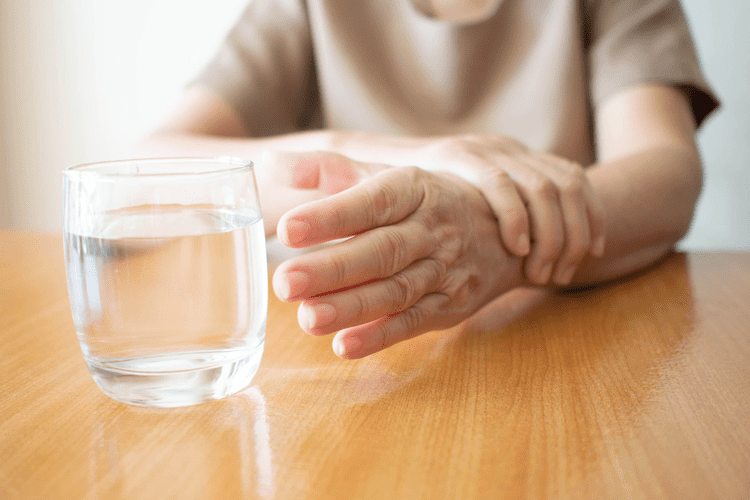
These requirements ensure that residents are prepared for a structured, substance-free environment that promotes recovery. Meeting these criteria helps individuals transition from treatment to independent living while maintaining their sobriety. The differences between inpatient rehabilitation (rehab) and sober living homes are significant in addiction recovery. Inpatient rehab offers intensive, structured treatment with 24/7 medical supervision, typically lasting 30 to 90 days. In contrast, sober living homes provide supportive, substance-free environments with peer accountability, allowing residents more freedom as they transition back to independent living. The duration of stay in sober living homes varies, extending beyond the limited time frame of inpatient rehab.
What is the American Indian Health Program
FARR certification is a mark of trust, ensuring that each home meets strict guidelines set by the National Alliance for Recovery Residences (NARR). Certified residences adhere to NARR Quality Standards and Florida law while maintaining the highest ethical practices. Managing money and paying on time are important for recovery and for life after leaving the home. Guests may be limited to certain times and they often need approval from staff.
- There are many factors to consider when it comes to sober living expenses, including how to pay for them and whether or not they can be tax deductible.
- The role recovery housing plays in the treatment process differs from how drug treatment centers operate.
- St. Mac Anthony® Sober Living Homes, Inc. is coming into the market well prepared to favorably compete in the industry.
- Non-profit organizations and charities play a crucial role in making sober living accessible by providing financial support and resources.
- For example, if an eviction is based on substance use or recovery-related issues, operators must ensure that documentation or communication does not disclose protected health information to unauthorized parties.
The RCI is a tool that measures the real-life factors that support lasting recovery—health, housing, relationships, purpose, and more. Recovery residences offer a consistent, stable environment, essential for long-term sobriety and personal growth. Residents receive peer support, accountability, and community engagement, fostering a sense of belonging and empowerment. Although minor concerns or complaints can usually be resolved informally within the residence, there may be situations where formal complaints will be filed. Enter name of Recovery Residence will make a written grievance procedures available to each of its residents who will be required to sign that they have received and understand the procedures.
Since then, homes operating under the Oxford House model have spread across the country – as of 2012, there were 1,500 homes. AHCCCS members who are American Indians and Alaska Natives (AI/AN) have the option to receive their health care coverage from the AHCCCS American Indian Health Program (AIHP). AHCCCS works closely with the Arizona Department of Health Services (ADHS), the FBI, and local law enforcement to route tips to the correct agency.
According to the National Alliance for Recovery Residences (NARR), there are four levels of sober living homes. There are many factors to consider when it comes to sober living expenses, including how to pay for them and whether or not they can be tax deductible. For individuals in recovery, sober living homes can provide a supportive and structured environment to help them maintain sobriety and rebuild their lives. However, the cost of sober living can be a significant financial burden for many individuals and their families. Recovery housing, also known as sober living homes, provides safe and structured living environments for people recovering from substance abuse problems. S. National Library of Medicine, sober living homes act as a transitional support for community-based treatment and recovery services.
Individuals eligible for sober living homes include those in addiction recovery who have completed rehab or need a transitional environment to maintain sobriety. Applicants must agree to house rules, actively participate in support groups, and demonstrate a commitment to recovery. When claiming tax deductions for sober living expenses, there are certain limitations that taxpayers should be aware of. Firstly, the expenses in question must be considered medical expenses and must be incurred to treat a substance abuse issue. Furthermore, the expenses must be paid for by the taxpayer and not reimbursed by insurance or other third-party sources. Taxpayers can only deduct the portion of their expenses that exceeds 10% of their adjusted gross income, or 7.5% if they are over 65.
Itemizing deductions is essential to maximize tax benefits, especially when medical expenses are significant. Medical expense deductions may be impacted by recent tax reforms, so it’s important to review current legislation before filing. Sober living tax deductible status applies only when the expenses meet IRS requirements for medical necessity and are part of a formal treatment plan. Sober living houses and halfway houses are often used interchangeably as they both provide a substance-free living environment for those suffering from addiction. Differences between the two can stem from funding, length of stay, and requirements to apply to live there. Sober living homes typically do not limit the length of stay and may not require previous attendance in a formal addiction treatment program.


Add comment